🌿 Your trusted guide to choosing the best garden tools.

Broadfork: The No-Till Garden Tool Every Gardener Should Own

Ever fought a rototiller through ground that feels like sun-baked pottery, or thrown your back out with a shovel trying to lift potatoes out of clay? That’s exactly the gap a broadfork was built to fill.
If you’ve never used one, you’re about to fall in love with bed prep all over again. And if you already own one but aren’t sure you’re getting the most out of it, stick around — this guide covers everything from what a broadfork actually is, to how it compares with a tiller and a digging fork, to the exact buying checklist you need before you spend a single dollar.
want to know about u- bar didder
What Is a Broadfork?
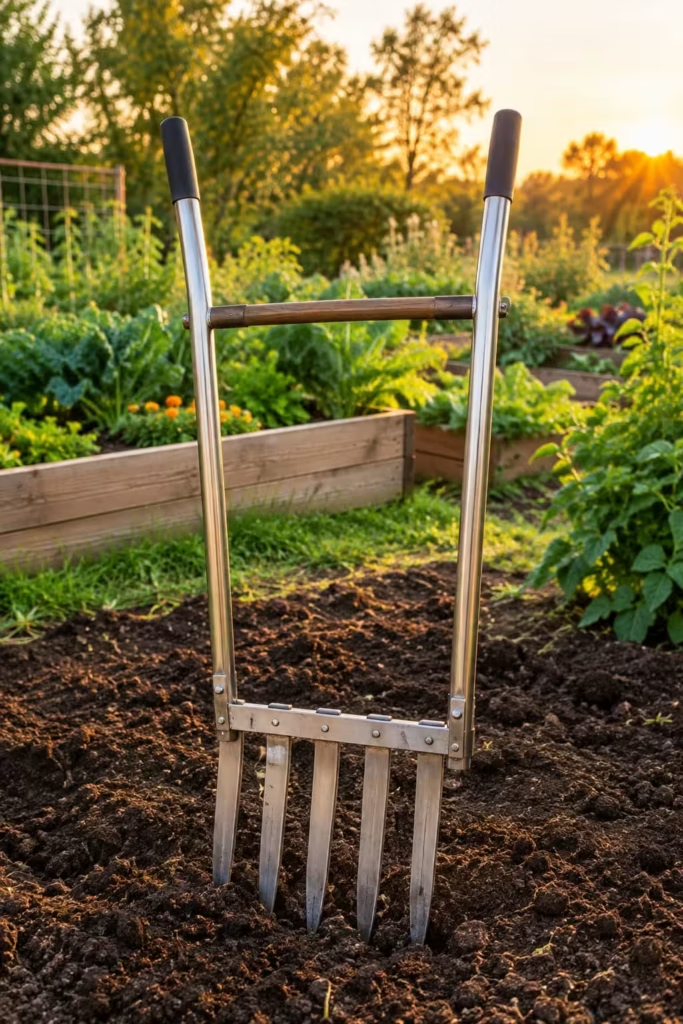
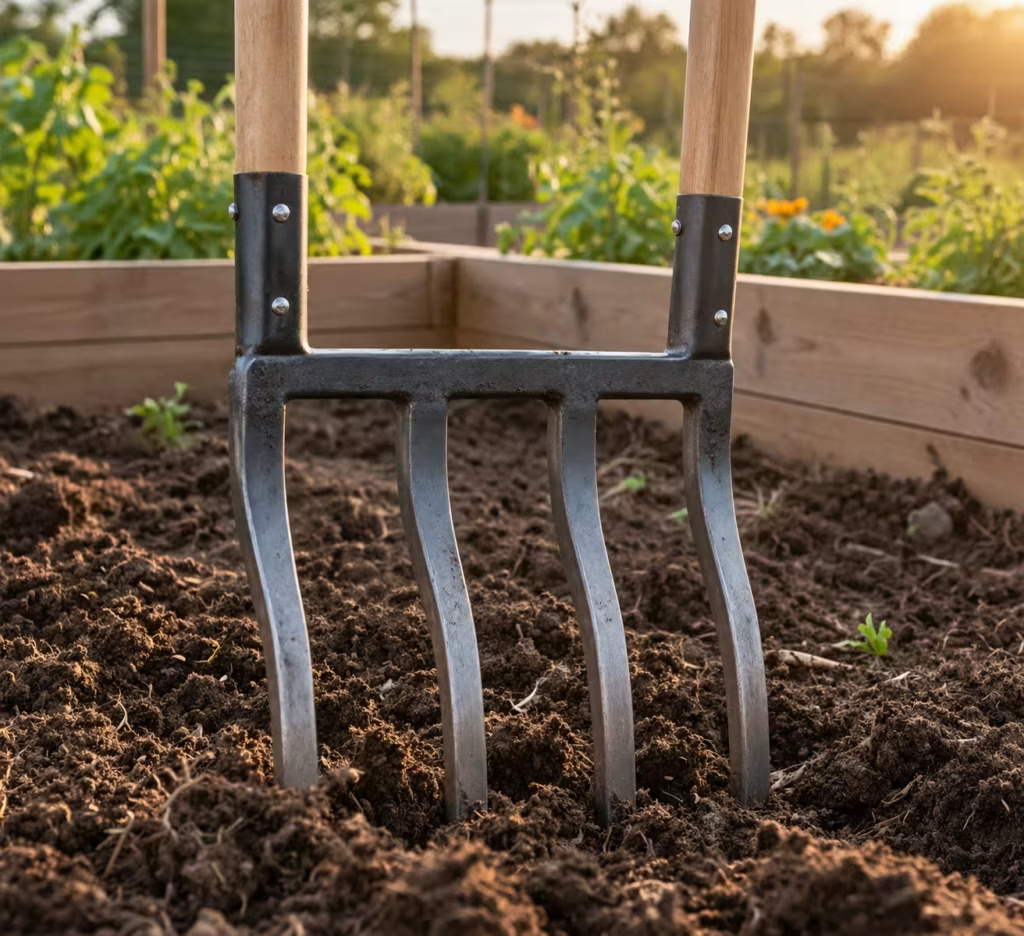
A broadfork — sometimes called a U-bar digger or, by its French name, a grelinette — is a hand tool built to loosen and aerate soil deeply without turning it over. Picture a wide pitchfork with two long handles instead of one: a horizontal crossbar holds four to eight sturdy tines, and two upright handles rise from either end of that bar, usually to about chest height.
Where it earns the “broad” in its name is width: most models span 12 to 24 inches, letting you loosen a wide strip of a bed in a single pass instead of stabbing a narrow fork in over and over.
You’ll sometimes see the broadfork called by other names, including:
- U-bar digger
- Grelinette
- Two-handled garden fork
These nicknames all point to the same basic design: a wide, foot-driven fork that trades brute force for leverage, which is why it’s become the standard bed-prep tool in no-till and low-till market gardens.
Broadfork vs. Tiller vs. Digging Fork
It’s easy to mix these tools up, since they all break up soil. Here’s how they actually differ:
| Tool | Size | Best For | Tine Length |
|---|---|---|---|
| Broadfork | Large, two-handled | Deep aeration of established beds, no-till prep, root harvest | ~10-16 inches |
| Digging/spading fork | Standard, one-handled | Small beds, container gardens, tight spaces | ~7-9 inches |
| Rototiller | Powered, wheeled | Breaking new ground, mixing in large amounts of amendment | N/A – rotating blades |
| Pitchfork/manure fork | Long, thin tines | Moving loose material like hay, straw, or compost (not digging) | Thin, multiple tines |
The key thing to remember: a broadfork and a digging fork both have thick, flat, closely spaced tines built for lifting soil with minimal disturbance. A tiller pulverizes and inverts the soil with powered blades – faster for breaking totally new ground, but harder on soil structure and worm populations. A pitchfork has thin, widely spaced tines built for scooping loose material, not digging – it’s not interchangeable with the other three, even though people often confuse them.
Anatomy of a Broadfork
Understanding the parts of a broadfork helps you know exactly what to look for when buying one:
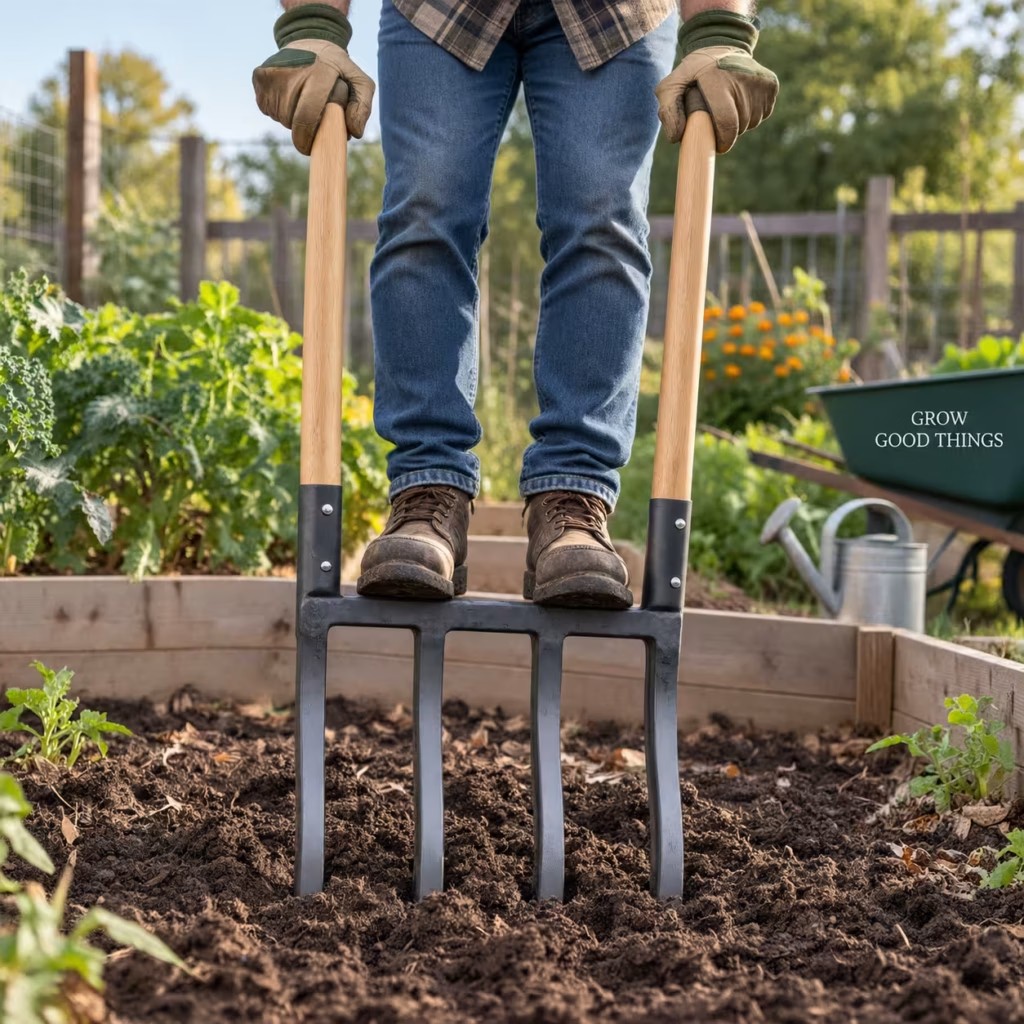
- Tines – The four to eight curved, pointed prongs that penetrate the soil. Longer tines reach deeper, but need more body weight to drive in.
- Crossbar – The horizontal bar you step on to push the tines down. This is what separates a broadfork from a regular garden fork.
- Handles – Two long grips (wood, steel, or fiberglass) that give you leverage to rock the tool back and lift the soil.

What Is a Broadfork Used For?
This tool punches well above its weight. Here’s where it really shines:
- Aerating compacted soil – Creates channels for air, water, and roots without disturbing the soil’s layered structure or its microbial life.
- Preparing beds for planting – The classic use in no-till and market-garden systems, loosening a bed before direct-sowing or transplanting.
- Harvesting root crops – Lifts potatoes, garlic, carrots, and beets without slicing through them the way a shovel often does.
- Pulling weeds and cover crops – Loosens deep taproots so they come out whole, and lifts cover crops to be left on the surface as mulch.
- Turning compost – The wide tines mix and aerate a pile faster than a standard pitchfork.
- Working clay and heavy soil – With the right tines, breaks up dense ground that would otherwise need a tiller.
What a broadfork is not great for: tight, narrow spaces between closely planted perennials, or containers and raised beds under about 3 feet wide. For that, you’ll still want a compact digging or border fork.
Who Should Use a Broadfork?
A broadfork isn’t just for market farms – though it’s built for those too. It’s especially worth owning if you’re:
- Running a no-till or low-till vegetable garden and want to protect soil structure between seasons
- Working heavy clay, compacted, or newly acquired ground that a digging fork can’t touch
- Harvesting root crops regularly and want to stop slicing into potatoes and carrots with a shovel
- Looking for a back-friendly alternative to a rototiller for annual bed prep
- Maintaining permanent raised beds or market-garden rows where minimal soil disturbance matters
How to Choose the Best Broadfork
Not all broadforks are built the same. Before you buy, weigh these factors:
1. Tine Material
Look for solid, unbroken steel tines rather than welded or bolted joints, which are the first thing to fail under clay or rocky ground.
2. Handle Material
- Wood (ash or hickory) – Classic, absorbs shock well, but the most common failure point when soil fights back.
- Fiberglass – Lightweight and weatherproof, common on budget models.
- Steel – Extremely durable and often paired with a lifetime warranty, though heavier to carry.
3. Tine Length
Shorter, 12-inch tines are easier to drive fully into dense clay. Longer, 14-16 inch tines reach deeper but demand more body weight to sink them in.
4. Overall Width
Most broadforks run 12-24 inches wide. Narrower models suit raised beds and small gardens; wider models cover more ground per pass on larger plots.
5. Overall Weight
A heavier, all-steel build (15-25 lbs) holds up best to rocky ground, roots, and sod, but it’s harder to lift repeatedly than a lighter 12-15 lb model.
6. Where You’ll Buy It
Home Depot and Lowe’s carry a limited, entry-level selection. For heavier-duty or specialized models, buy direct from the maker (Meadow Creature, Treadlite) or from garden-supply retailers like Johnny’s Selected Seeds.
7. Warranty and Build Quality
A lifetime warranty is a strong signal of confidence in the tool’s durability – several premium broadfork brands offer this.
How to Use a Broadfork the Right Way
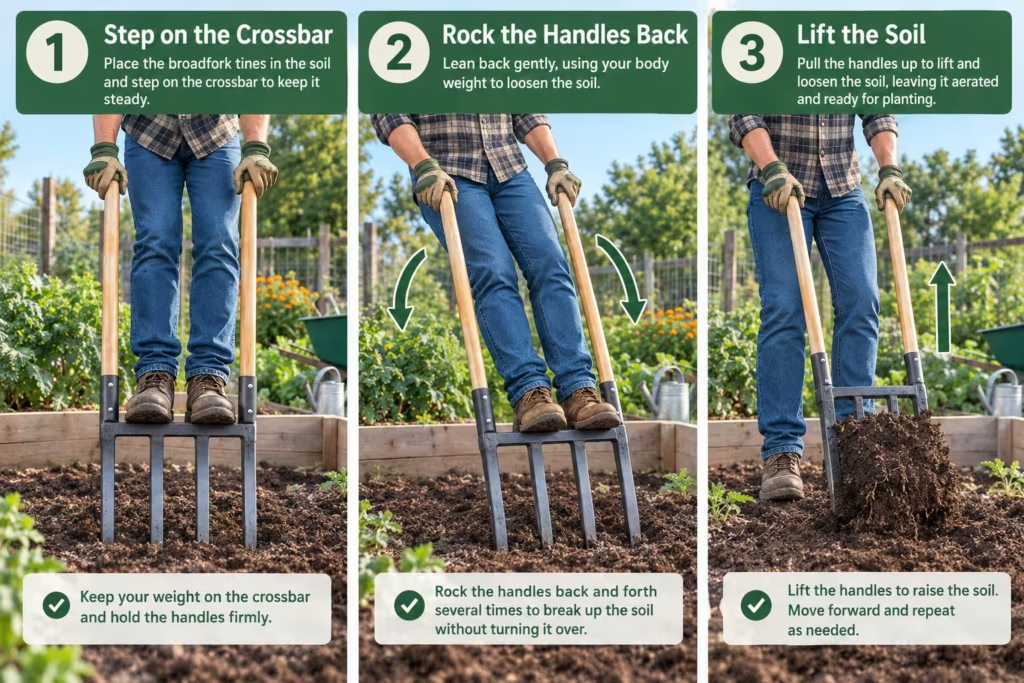
Getting good technique out of your broadfork will save your back and your soil. Here’s the basic method:
- Clear the bed. Rake away heavy mulch and pull any stakes, drip line, or buried debris from the area you’re working.
- Position the tines. Stand the broadfork upright with the tines resting on the soil surface, handles facing you.
- Step onto the crossbar. Put your body weight onto the bar – not your arms – and let gravity sink the tines into the ground. Rock gently side to side if the soil resists.
- Rock the handles back. Step back off the bar and pull the handles toward you, keeping your back straight, letting your body weight do the lifting rather than your arms or shoulders.
- Release without lifting. Once you feel the ground crack and loosen, don’t wrench the tool out – simply step back and slide the tines free.
- Move back 4-8 inches and repeat. Work in a straight line down the bed, slightly overlapping each pass for even coverage.
Broadfork Maintenance and Care
A well-maintained broadfork can outlast most other tools in your shed. Keep it in top shape with these habits:
- Wipe tines clean and dry after every use – wet clay left on steel accelerates rust, especially at weld joints.
- Oil exposed steel occasionally with a light machine oil, especially in humid climates or if it’s stored outdoors.
- Check wooden handles each season for cracks or splintering near the base, where the most leverage stress is applied.
- Store it upright and dry, ideally hung on a wall hook, rather than leaving it tines-down in wet soil between uses.
- Tighten any bolted joints at the start of each season on models that use bolted rather than welded construction.
Common Mistakes to Avoid
- Forcing the tines with your arms or legs. The crossbar exists so your body weight does the pushing – muscling it in is how handles break and backs get strained.
- Lifting the tool straight up to remove it. Wrenching a broadfork out of the ground stresses the tines and handles far more than sliding them out backward.
- Using it on bone-dry or waterlogged clay. Both extremes make the soil nearly impossible to penetrate cleanly and can bend lighter tines.
- Buying based on width alone. A wide broadfork that doesn’t match your bed size or body weight is harder to use than a smaller, better-matched one.
- Skipping maintenance. Even a “lifetime warranty” tool will rust or loosen faster without basic cleaning and storage habits.
Frequently Asked Questions About Broadforks
What is a broadfork used for? A broadfork is used to loosen and aerate soil, prepare garden beds for planting, harvest root crops like potatoes and garlic, pull deep-rooted weeds, and turn compost – all without inverting or pulverizing the soil the way a shovel or tiller does.
What’s the difference between a broadfork and a digging fork? A digging fork is smaller and one-handled, built for tight spaces and lighter jobs. A broadfork is wider, two-handled, and driven with a foot-operated crossbar, letting it reach deeper and cover more ground per pass with less strain.
Is a broadfork better than a tiller? It depends on the job. A tiller is faster for breaking totally new ground, but it disrupts soil structure and microbial life more aggressively. A broadfork is gentler on the soil and better suited to maintaining beds that are already established, especially in no-till or low-till gardening systems.
Can a broadfork handle heavy clay soil? Yes, with the right build – solid steel tines, metal handles, and a tine length matched to your body weight all help. Timing matters too: clay that’s moist but not waterlogged is far easier to penetrate than bone-dry or soaked ground.
Can I make my own broadfork? Yes. A basic homemade broadfork can be built from steel rebar or flat bar tines welded to a crossbar and handles. It’s a viable budget option if you have access to welding equipment, though build quality directly affects how well it holds up in tough soil.
Where can I buy a broadfork? Home Depot and Lowe’s carry limited, entry-level options. For heavier-duty or specialized models, gardeners typically buy direct from manufacturers like Meadow Creature or Treadlite, or from garden-supply retailers such as Johnny’s Selected Seeds.
Final Thoughts
The broadfork might look like an oversized pitchfork, but it earns its keep in every bed a shovel or tiller would struggle with. Whether you’re breaking up heavy clay, harvesting a row of potatoes, or keeping a no-till bed loose season after season, this simple two-handled tool makes serious soil work genuinely manageable – not a chore.
If your current toolkit is missing one, now’s the time to add a broadfork to your list. Your beds (and your back) will thank you