🌿 Your trusted guide to choosing the best garden tools.
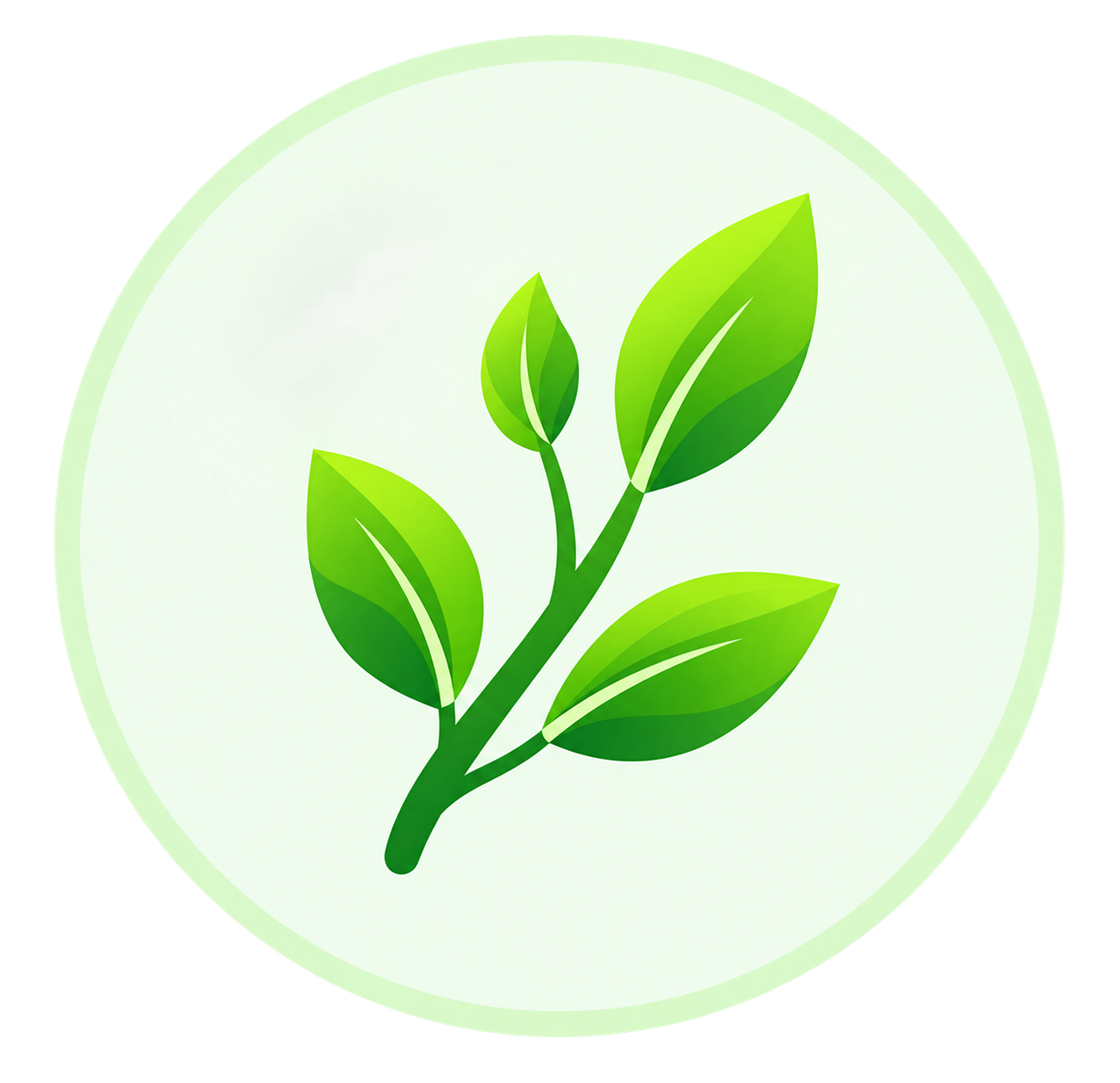
Border Fork: The Small Garden Tool Every Gardener Should Own

Ever stood at the edge of a flower bed, digging fork in hand, wishing you had something smaller, lighter, and easier to squeeze between your favorite perennials? That’s exactly the gap a border fork was built to fill.
If you’ve never used one, you’re about to fall in love with your garden borders all over again. And if you already own one but aren’t sure you’re getting the most out of it, stick around — this guide covers everything from what a border fork actually is, to how it compares with a digging fork, to the exact buying checklist you need before you spend a single dollar
want to know about digging fork

What Is a Border Fork?
A border fork is a smaller, lighter version of the standard digging fork (also called a spading fork). It has shorter tines, a shorter shaft, and a more compact overall frame — but it still keeps a full-length handle, which is what makes it so comfortable to use for extended periods.
Where a digging fork is built for heavy-duty jobs like breaking up compacted, rocky, or clay-heavy ground, the border fork is designed for finesse. It’s the tool you reach for when precision matters more than brute force: working around shrub roots, edging along a border, or gently lifting a perennial without disturbing its neighbors.
You’ll sometimes see the border fork called by other names, including:
- Ladies’ fork
- Shrubbery fork
- Lady’s border fork
These nicknames come from its lighter weight (often up to 25% lighter than a full-sized digging fork), which makes it a favorite for gardeners with limited strength, mobility concerns, or anyone who simply wants a fork that’s easier on the wrists and back during long gardening sessions.
Border Fork vs. Digging Fork vs. Spading Fork vs. Broadfork
It’s easy to mix these tools up, since they all fall under the “garden fork” umbrella. Here’s how they actually differ:
| Tool | Size | Best For | Tine Length |
|---|---|---|---|
| Border fork | Small, compact | Tight spaces, borders, raised beds, transplanting | ~4–7 inches |
| Digging/spading fork | Standard, larger | General digging, breaking new ground, harvesting root crops | ~7–9 inches |
| Broadfork | Large, two-handled | Deep aeration of large beds without turning the soil | ~8–12 inches |
| Pitchfork/manure fork | Long, thin tines | Moving loose material like hay, straw, or compost (not digging) | Thin, multiple tines |
The key thing to remember: digging forks and border forks both have thick, flat, closely spaced tines built for cutting into soil. Pitchforks and manure forks have thin, widely spaced tines built for scooping — they’re not interchangeable tools, even though people often confuse them.
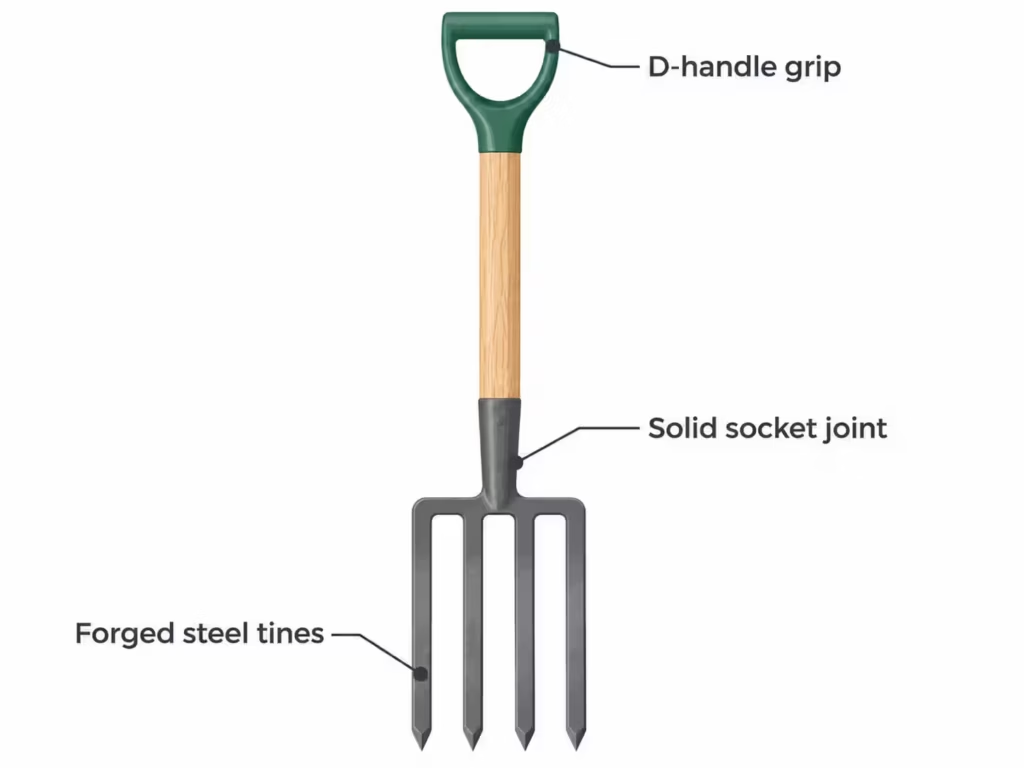
Anatomy of a Border Fork
Understanding the parts of a border fork helps you know exactly what to look for when buying one:
- Tines — The 3–4 pointed, flattened prongs that penetrate the soil. Shorter and narrower than a digging fork’s tines.
- Shoulder/socket — Where the tines meet the shaft; the strongest forks use a single forged piece of steel here.
- Shaft — The connecting rod between the tines and the handle.
- Handle — Often a D-grip or T-grip for a comfortable, secure hold, even with one hand.
What Is a Border Fork Used For?
This little tool punches well above its weight. Here’s where it really shines:
- Working in tight spaces — Navigating narrow flowerbeds, raised beds, and densely planted borders where a full-size fork simply won’t fit.
- Edging and precision work — Cutting clean, crisp edges along a garden border or slipping into crevices larger tools can’t reach.
- Transplanting — Gently lifting perennials, shrubs, and small plants without shredding their root systems.
- Planting bulbs and small plants — Loosening soil just enough to tuck in bulbs, seedlings, or small annuals.
- Light soil loosening — Aerating soil in beds where you don’t want to disturb neighboring roots.
- Weeding in small areas — Getting weeds out cleanly around delicate plants and bushes.
- Container and greenhouse gardening — Its compact size makes it ideal for raised beds, pots, and greenhouse work.
- Carving furrows — Creating neat, shallow rows for sowing seeds.
What a border fork is not great for: breaking up compacted, rocky, or heavy clay soil, or tackling large digging jobs. For that, you’ll still want a full-sized digging fork.
Who Should Use a Border Fork?
A border fork isn’t just for small gardens — though it’s perfect for those too. It’s especially worth owning if you’re:
- Gardening in raised beds, containers, or a greenhouse
- Working with limited strength, stamina, or mobility
- Maintaining borders, cottage gardens, or densely packed perennial beds
- Looking for a lighter everyday fork that’s easier to store and transport
- A shorter gardener who finds standard digging forks awkwardly long (note: taller gardeners sometimes find border forks a bit short, so consider one with an extended or ergonomic handle if that’s you)

How to Choose the Best Border Fork
Not all border forks are built the same. Before you buy, weigh these factors:
1. Tine Material
Look for forged carbon steel or stainless steel tines. Forged (single-piece) construction is stronger and less likely to bend than welded tines, especially if you’ll be working slightly compacted or rooty soil.
2. Handle Material
- Wood (ash or hickory) — Classic, absorbs shock well, but can eventually splinter or crack.
- Fiberglass — Lightweight, weatherproof, and very durable.
- Steel/aluminum — Extremely durable and often rust-resistant, though sometimes heavier.
3. Grip Style
A D-grip or T-grip handle gives you better control and reduces wrist strain, especially useful for one-handed maneuvering in tight spots.
4. Number and Spacing of Tines
Most border forks have 3–4 tines. Fewer, closely spaced tines are better for precision work; slightly wider spacing helps when lifting root balls.
5. Overall Weight
Since the whole point of a border fork is ease of use, prioritize a lighter design — ideally 20–25% lighter than a standard digging fork.
6. Length
Standard border forks run shorter than digging forks. If you’re tall, look for models with a slightly longer or adjustable shaft to avoid excessive bending.
7. Warranty and Build Quality
A lifetime warranty is a strong signal of confidence in the tool’s durability — many premium garden tool brands offer this.
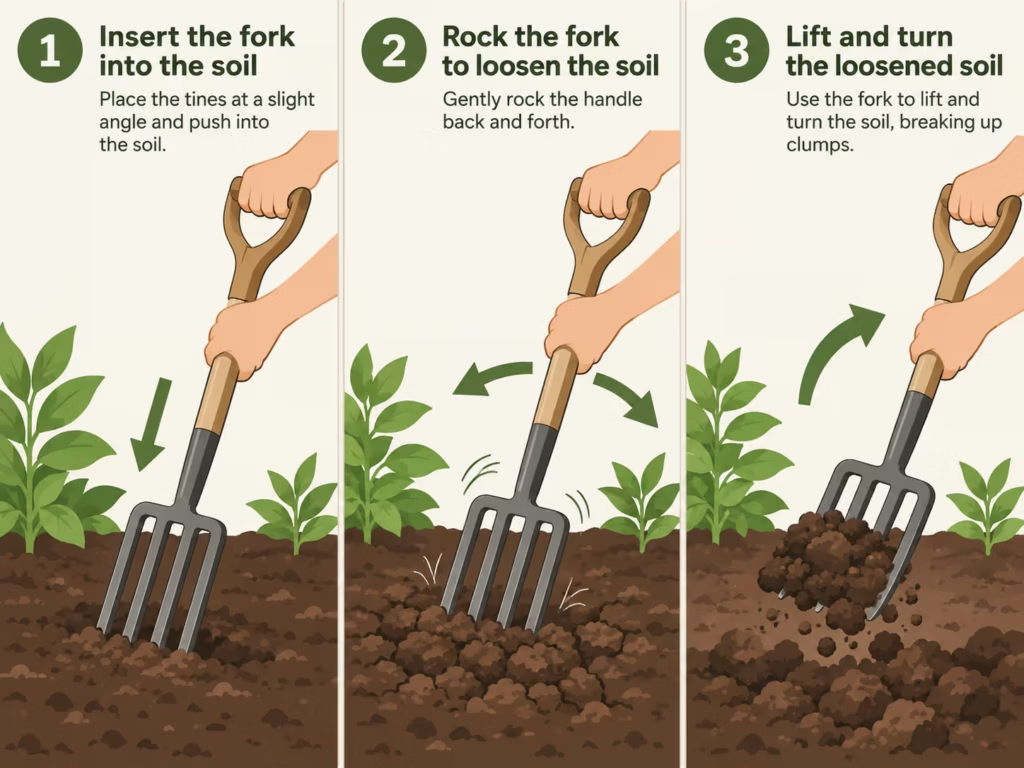
How to Use a Border Fork the Right Way
Getting good technique out of your border fork will save your back and your plants. Here’s the basic method:
- Position the fork at a slight angle, tines pointing down into the soil where you want to work.
- Press down with your foot on the shoulder of the fork (if the design allows) or use steady hand pressure to sink the tines in.
- Rock gently back and forth to loosen the soil without yanking, which can damage nearby roots.
- Lift and turn if you’re incorporating compost, or simply lift straight up if you’re transplanting or harvesting.
- Work in small sections rather than trying to cover large areas — remember, this tool is built for precision, not speed.
- Keep the tines close to the plant’s drip line, not the stem, when weeding or aerating around existing plants, to avoid nicking roots.
Border Fork Maintenance and Care
A well-maintained border fork can outlast most other tools in your shed. Keep it in top shape with these habits:
- Rinse after every use to remove dirt and clinging soil before it dries and hardens on the tines.
- Dry thoroughly before storing to prevent rust, especially on carbon steel tines.
- Oil the metal occasionally with a light machine oil or boiled linseed oil to guard against moisture.
- Condition wooden handles once or twice a season with linseed oil to prevent cracking and splintering.
- Store off the ground, ideally hung on a wall hook, to keep tines sharp and away from dampness.
- Sharpen tines lightly with a metal file if they start to dull, particularly if you use the fork for edging.
Common Mistakes to Avoid
- Using it for heavy digging. A border fork isn’t designed for compacted or rocky ground — you’ll bend the tines. Grab a digging fork instead.
- Prying with too much force. The shorter shaft offers less leverage than a full-sized fork, so aggressive prying can snap the handle.
- Storing it wet. Even a quick rinse-and-leave habit can lead to rust over a season.
- Ignoring handle length for your height. If you’re consistently bending too far forward, your back will tell you about it later — size matters.
Frequently Asked Questions About Border Forks
What is a border fork used for? A border fork is used for light to medium digging, edging, weeding, transplanting, and loosening soil in tight spaces like garden borders, raised beds, and containers.
What’s the difference between a garden fork and a border fork? A garden (digging) fork is larger, heavier, and built for general digging and breaking new ground. A border fork is a smaller, lighter version designed for precision work in confined spaces.
Is a border fork the same as a hand fork? No. A hand fork is a small, trowel-sized handheld tool used one-handed for close-up work. A border fork has a full-length handle and is used standing up, just at a smaller scale than a digging fork.
Can a border fork replace a digging fork? Not entirely. It’s excellent for light-to-medium jobs but won’t hold up well against compacted, rocky, or heavy clay soil the way a full-sized digging fork will.
Are border forks good for people with limited strength? Yes — their lighter weight (often 20–25% less than a standard fork) makes them a popular choice for gardeners with mobility or strength limitations.
What materials should I look for in a quality border fork? Forged carbon steel or stainless steel tines paired with a wood, fiberglass, or steel handle offer the best combination of strength and durability.
Final Thoughts
The border fork might be the smallest tool in your shed, but it earns its keep in every tight corner of the garden a bigger fork can’t reach. Whether you’re edging a border, tucking bulbs into a raised bed, or gently lifting a perennial to divide, this compact powerhouse makes precision gardening genuinely enjoyable — not a chore.
If your current toolkit is missing one, now’s the time to add a border fork to your list. Your borders (and your back) will thank you.