🌿 Your trusted guide to choosing the best garden tools.

Weed Hoe: How to Pick the Right Hoe for Weed Removal and Use It Like a Pro

Picture this. It rained on Tuesday, the sun came out on Wednesday, and by Saturday your vegetable rows look like they were seeded with weeds on purpose. You could kneel and pull each one by hand, or you could walk the row once with a sharp blade and be done before your coffee cools.
That second option is the whole promise of a weed hoe: fast, low-effort, chemical-free weeding that works best when you do it early and often. The catch is that “hoe” covers a surprisingly wide family of tools, and the wrong one will fight you the entire way.
In this guide you will learn what a weed hoe is, how the main types (action, Dutch, draw, flat and Japanese) differ, which one suits your soil and garden, when to hoe, how to sharpen and care for the blade, and what to look for when shopping at places like Home Depot. Ready to stop wrestling with weeds? Let’s get into it.
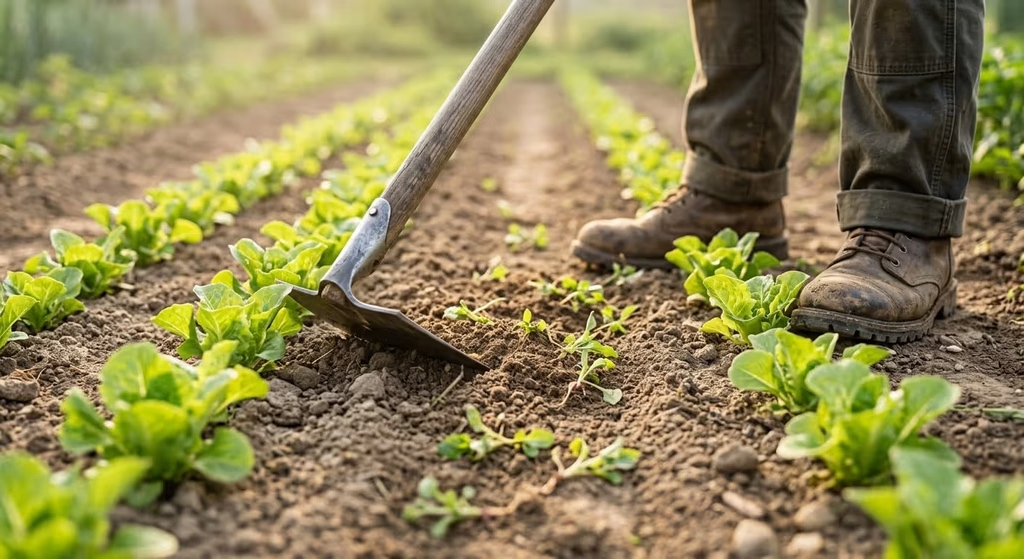
A Weed Hoe Slicing Seedlings Just Below the Soil Surface Between Vegetable Rows
What Is a Weed Hoe?
A weed hoe is a long-handled garden tool with a flat or angled blade, loop or head that cuts weeds at or just beneath the soil surface. Instead of digging deep or pulling roots one by one, you slice off the young weed from its root system with a push, pull or scrubbing motion, then leave it on the surface to dry.
The key idea is shallow work. Garden Organic, a UK organic gardening charity, advises pushing or pulling the hoe through the soil about one to two centimetres deep, which is enough to sever seedlings while barely disturbing the soil. That shallow cut also avoids dragging up fresh weed seeds from below.
Some people call it a garden weed hoe, a weeding hoe or a hoe for weed removal. Whatever the name, the job is the same: keep small weeds from becoming big ones.
Quick check: Are your weeds mostly small seedlings, or big, established perennials? A weed hoe shines on the first group. For deep-rooted plants, read the “limits” section below.
Weed Hoe Types at a Glance
There is no universal hoe. Each design is good at one or two jobs, so matching the head to your task matters more than the price tag.
| Hoe Type | How It Works | Best For | Watch Out For |
|---|---|---|---|
| Action (stirrup / hula) hoe | Pivoting loop cuts on push and pull | Fast shallow weeding between rows | Struggles in compacted or stony soil |
| Dutch (push) hoe | Flat blade slices just under the surface as you push | Dry, loose soil and paths | Needs a sharp edge and dry weather |
| Draw hoe | Blade pulled toward you to chop and scrape | Tougher weeds, hard soil, heavier chopping | Slower and more tiring for light weeding |
| Flat hoe | Blade lies flat on the soil with a push-pull stroke | Precise shallow weeding | Less aggressive on thick stems |
| Sweeping hoe | Held fairly upright with a sweeping action | Open areas and wider swaths | Less control around crops |
| Japanese hoe (nejiri gama) | Sharp triangular or sickle blade for scraping and slicing | Tight spots, raised beds, containers | Short reach unless a long handle is fitted |
One expert guide sums it up neatly: a stirrup hoe suits fast weeding, while a draw hoe is the pick for compacted or heavy soil, and the common mistake is using the wrong one for the job. That rule alone will save you a lot of frustration.
Action Hoe Weed Remover (Stirrup, Hula and Oscillating)
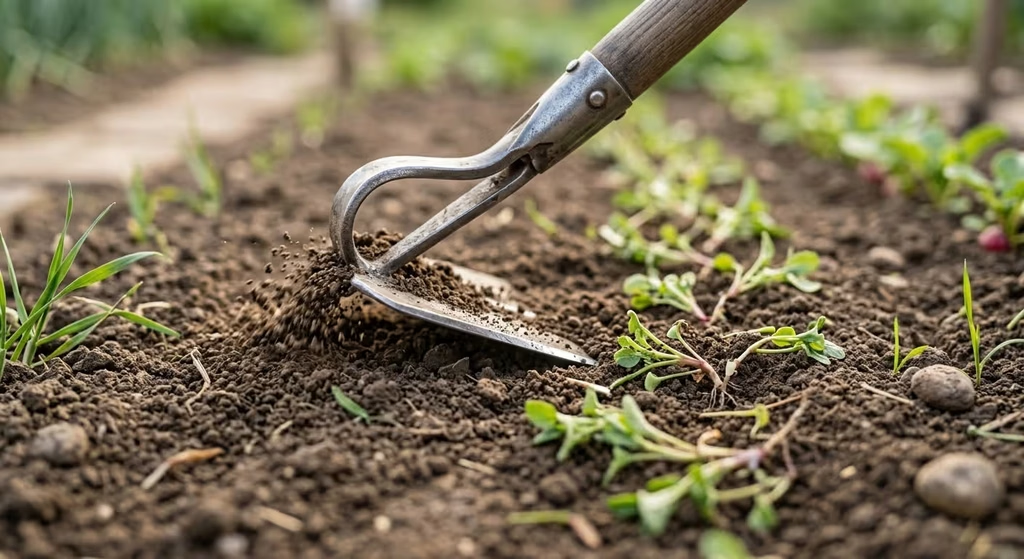
If you search for an action hoe weed remover, you are looking at the stirrup-style hoe, sometimes called a hula or oscillating hoe. The head is a U-shaped steel loop with sharpened edges that rocks slightly, so it cuts on both the push and the pull stroke.
Why gardeners love it
- It works in two directions, so you cover ground faster.
- It slices instead of digs, which keeps the soil structure intact and suits low-till gardens.
- You can stay upright, which helps your back.
Where it falls short
- Compacted, wet or stony ground blunts its edge.
- It is not the tool for chopping through thick stems or established perennials.
- Cheap versions can loosen at the joint and dull quickly.
One horticulturist who reviews tools picks a multi-head action hoe set as the best stirrup option for routine weeding and low-till systems, and suggests keeping one stirrup hoe for weeding and one draw hoe for heavier work. That two-hoe approach is a sound starting point for most home gardens.
want to know about pull stroke
Action Hoe Weed Remover: How the Stirrup Loop Cuts on Push and Pull
Dutch Hoe, Draw Hoe and Flat Hoe in Brief
You do not need to own every hoe, but understanding the basics helps you choose.
Dutch (push) hoe. A flat blade, usually angled slightly, that you push forward just under the soil surface. It is a classic for slicing weeds in loose, dry soil and clearing paths. Keep it sharp, and work in dry weather so the cut weeds do not reroot.
Draw hoe. Pulled toward you with a chopping or scraping action. It handles tougher growth and firmer soil, and many people use it for creating furrows and chopping clumps, too. It is less delicate than an action hoe, so it is not ideal for working close to seedlings.
Flat hoe. Sits flat on the surface and moves with a push-pull action. It offers precise weeding and is a nice middle ground when you want control.
If you want a deep dive on one of these, specialist guides exist for each. Here we focus on the question that matters most: which one should you use to remove weeds?
Japanese Weed Hoe (Nejiri Gama) Explained
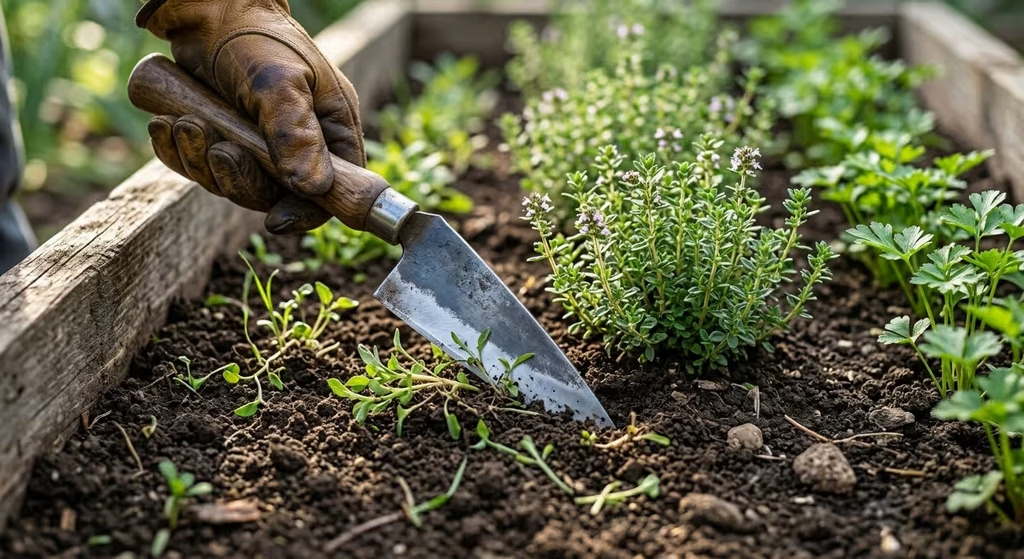
A Japanese weed hoe, usually the nejiri gama, is a small, sharp, lightweight tool. The blade is angled so you can scrape and slice small weeds from tight spots, and the tip can also dig seed trenches, cut sod and break up small clods. Long-handled versions exist for those who prefer to stand.
It is a favorite for:
- Raised beds and containers where a full-size hoe would be awkward
- Narrow rows and tight spacing between plants
- Detail work around the edges of paths and borders
Japanese tool makers also produce a heavy-duty two-headed “cuttlefish” hoe (ikagata) that combines a hoe and a cultivator, plus the well-known hori hori knife for digging weeds and cutting tough roots. If you like Japanese tools, many of them are made to be kept very sharp, so treat the edge with respect and wear gloves.
Japanese Nejiri Gama Working in a Raised Bed
What Is a Weed Hoe Used For?
It is a prevention tool as much as a removal tool. It is at its best when you use it routinely.
- Killing weed seedlings just after they germinate, before roots take hold
- Weeding between crop rows in vegetable gardens and market plots
- Keeping paths and gravel areas clear with a quick scrape
- Cleaning up beds before planting to remove the first flush of weeds
- Low-till and no-dig weeding, where you want minimal soil disturbance
- Breaking surface crusts that seal the soil
- Mulch top-ups when you want to prep an area quickly
Hoeing works best when weeds are tiny. Growers who rely on hoes warn that they are less effective on mature plants, and recommend hoeing frequently and shallowly rather than digging deep once in a while.
The Limits: When a Weed Hoe Is the Wrong Tool
Be honest about where a hoe stops helping:
- Deep-rooted perennials like dandelions or thistles will regrow from the root left behind. Use a dandelion weeder, a fork or a puller instead.
- Rhizomatous weeds can spread from cut fragments. Hoeing can chop them into more plants.
- Woody weeds and saplings need a stronger tool, such as a mattock or a woody plant puller.
- Tight spots between crops with irregular spacing are hard to hoe without hitting seedlings you want.
When and How to Hoe Weeds
Good hoeing is mostly about rhythm: little and often beats a heroic once-a-month blitz.
Timing is half the battle. Follow this routine.
- Start early. The best time to hoe is before you have a weed problem. Regular hoeing kills seedlings as they form just beneath the surface.
- Pick dry weather. Hoe when the soil surface is dry so cut weeds do not reroot.
- Go early in the day. Morning hoeing lets the cut weeds dry out in the sun.
- Sharpen the blade. A sharp edge slices at or just below soil level. A dull edge drags and bruises.
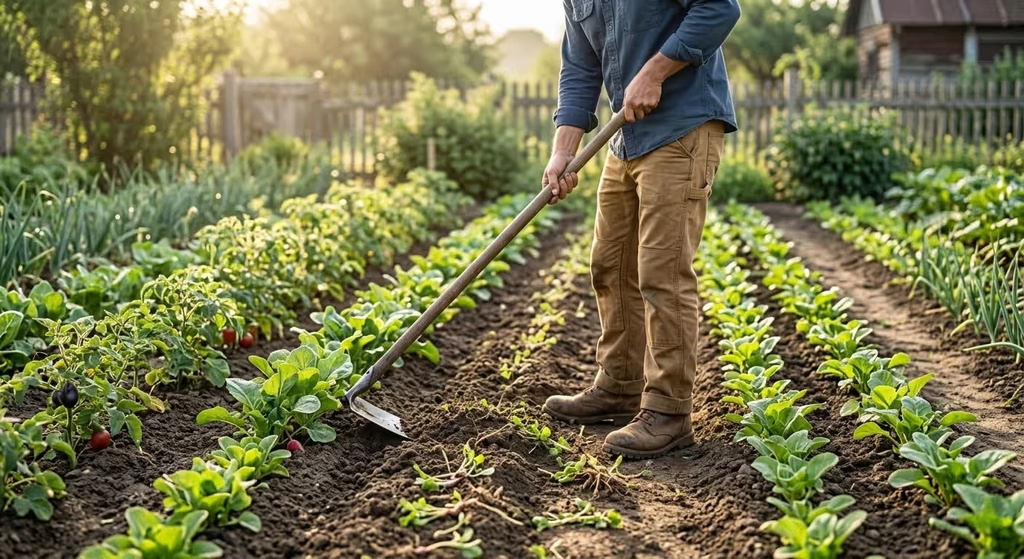
- Stand upright. A long handle lets you keep a straight back. Many tools in the 54 to 66 inch range suit upright weeding.
- Cut shallow. Aim for roughly an inch or less below the surface. Deep digging wakes up buried weed seeds.
- Work backward or sideways. Walk away from the area you just hoed so you do not trample the weeds back into the soil.
- Leave the cuttings on the surface to dry in the sun, unless the weeds are in seed, in which case bag them.
- Repeat often. A quick pass every week or two keeps seedlings from establishing.
Pro tip: If you are weeding in line-planted beds, a gentle push or pull between rows keeps the blade away from your crop.
Hoeing Technique: Upright Stance, Shallow Cut and Cuttings Left to Dry
How to Choose the Right Weed Hoe
Before you buy, run through these questions.
- What are you weeding? Seedlings and light weeds point to an action or Dutch hoe. Tough, established growth points to a draw hoe.
- What is your soil like? Loose, dry soil is the easiest. Hard, compacted or stony ground blunts stirrup and Dutch blades, so pick a stouter draw-style hoe.
- How long should the handle be? Longer handles of about 54 to 66 inches allow upright weeding, while short handles suit close work in raised beds.
- What is the blade made of? Forged or carbon steel with a sharpenable edge is a good sign. Stainless offers rust resistance, and tempered steel adds toughness.
- How does it feel? The tool should be light enough for repeated use but heavy enough to cut. Ergonomic or padded grips cut hand and wrist fatigue.
- How is the head attached? A secure head-to-handle connection matters, because cheap joints loosen and wobble.
- What is your budget? Cheap blades dull quickly. Spending a bit more for good steel usually pays off in time saved.
Test sharpness if you can. A quick paper-slicing test (done carefully) tells you more than the price does. And remember: sharpness often matters more than weight.
Choosing Your Hoe: Handle Length, Blade Steel and Head Style Compared

Hoe vs Other Weeding Tools: Which One Wins?
A hoe is not always the answer, so here is a fair comparison.
| Tool | Best Job | Hoe Advantage | Hoe Disadvantage |
|---|---|---|---|
| Hand weeder or fork | Single deep-rooted weeds | Hoe covers far more ground per minute | Hoe leaves the root of perennials |
| Weed puller (stand-up claw) | Dandelions and taprooted weeds | Hoe is better on thick seedling carpets | Puller removes the whole taproot |
| Crack weeder | Pavement and patio joints | Hoe works on open soil and paths | Hoe cannot reach narrow cracks |
| Mulch | Preventing new weeds | Hoe removes weeds already growing | Mulch stops light reaching seeds |
| Hand pulling | Wet soil and tiny gardens | Hoe saves your knees and time | Hand pulling gets the root out |
The smartest approach is a combination. Hoe early and often to clear seedlings, mulch cleared soil to stop new ones, and keep a puller or fork handy for the stubborn few.
A Simple Seasonal Hoeing Plan
- Early spring: Hoe the first flush before planting, then sow or transplant.
- Late spring: Hoe every week or so between rows while crops are small.
- Summer: Switch to a quick pass every ten days or after rain, and mulch bare soil.
- Late summer and fall: Hoe before weeds set seed, and bag any that are already flowering.
- Winter: Sharpen, clean and oil the blade, and check the handle and joint.
Weed Hoe Home Depot: What You Will Find
If you search for a weed hoe at Home Depot, expect to see mostly stirrup (action) hoes and combination hoe-and-cultivator tools. Listings include long-handled models around 62 to 75 inches, many sold by third-party brands, often with steel or stainless heads and adjustable metal handles. Selection changes often, so look at current listings.
A few smart checks before you click buy:
- Check the handle length and material. Longer is not always better if you work in raised beds.
- Look at the head and welds. The blade should be well attached and steel, not thin stamped metal.
- Read reviews for loosening joints. That is the most common complaint on budget tools.
- Confirm it is a hoe for your job. A stirrup hoe is great for seedlings, but not for chopping heavy weeds.
- Compare with garden-center brands. Known makers such as Ames and Corona produce stirrup and other hoes, and local garden centers often let you hold a tool before you buy.
Sharpening and Caring for Your Weed Hoe
A sharp hoe is a pleasure to use. A dull one is a chore.
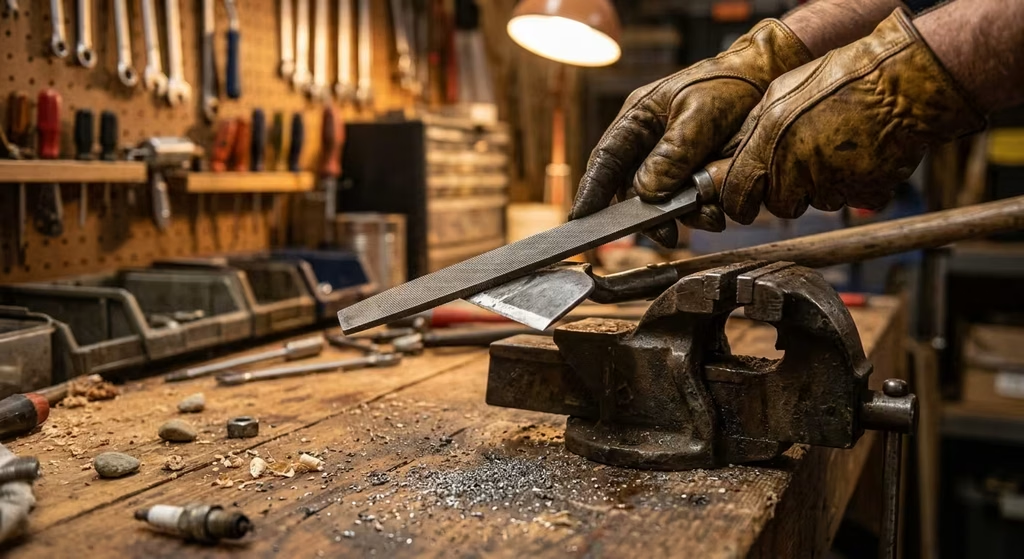
- Sharpen regularly. Use a mill file or sharpening stone and aim for a bevel of roughly 10 degrees, with occasional honing to finish the edge.
- Clean after each use. Scrape off dirt and sap, rinse and dry the head.
- Oil the metal. A light coat of oil prevents rust, especially on carbon steel.
- Check the joint. Tighten loose bolts and watch for cracks where the head meets the handle.
- Mind the handle. Sand rough spots and rub wood handles with linseed oil to keep them from drying out.
- Store it dry. Hang the hoe on a wall, head up and off the floor.
Keeping the Edge: Filing a Weed Hoe Blade at a Shallow Angle
Common Mistakes to Avoid
- Letting weeds get big before hoeing. Hoes are far less effective on mature weeds.
- Hoeing wet soil. Cut weeds can reroot and clay clogs the blade.
- Using the wrong hoe. A stirrup hoe in compacted soil or a draw hoe for quick weeding will frustrate you.
- Digging too deep. Deep cultivation wakes up buried seeds and damages crop roots.
- Working with a dull blade. Dragging and bruising replace slicing.
- Hoeing while bent over. A short handle strains your back. Choose a length that lets you stand.
- Chopping rhizomatous weeds. You may multiply them. Dig those out instead.
- Buying the cheapest blade. It dulls quickly and may loosen at the joint.
- Skipping gloves and boots when working with very sharp edges.
Frequently Asked Questions
What is a weed hoe used for? It slices small weeds at or just below the soil surface so they cannot grow, and it keeps beds, rows and paths tidy with little effort.
What is the best hoe for weed removal? For routine shallow weeding, a stirrup (action) hoe is a strong choice. For tough weeds or compacted soil, a draw hoe is better. Many gardeners keep one of each.
What is an action hoe weed remover? It is a stirrup-style hoe with a pivoting steel loop that cuts weeds on both the push and the pull stroke, which speeds up weeding between rows.
Is a Japanese weed hoe worth it? For raised beds, containers and tight spots, yes. The sharp angled blade of a nejiri gama gives precise control, though it has a shorter reach unless fitted with a long handle.
When is the best time to hoe weeds? Hoe early, before weeds take hold, on a dry day, and ideally in the morning so cut weeds dry in the sun.
How deep should I hoe? Shallow: roughly one to two centimetres (about an inch or less) is enough to sever seedlings without disturbing buried seeds.
Can hoeing kill perennial weeds? Not reliably. Deep-rooted perennials regrow from roots left in the ground, so use a puller, fork or weeder and repeat hoeing to weaken them.
Do I leave cut weeds on the soil? Usually yes, in dry weather, so they dry and die. Bag any weeds that are already flowering or setting seed.
What handle length is best? For standing work, around 54 to 66 inches is common. For raised beds, a shorter handle may be easier to control.
Where can I buy a weed hoe? Home Depot and other home improvement stores, garden centers and online retailers all sell them. Check blade material, joint strength and handle length before you buy.
How often should I sharpen it? Whenever it starts to drag or bruise instead of slicing. A few quick passes with a file at the start of each season, and touch-ups during heavy use, keep it cutting cleanly.
Final Thoughts
A weed hoe will not fix every weed problem, but used early and often, it turns a miserable weekend chore into a ten-minute stroll. Pick the head that fits your soil and your weeds, keep the blade sharp, hoe on dry mornings, and leave the cuttings to dry in the sun. For tougher perennials, add a puller or fork to your kit.
So here is your next move: look at the part of your garden that gives you the most trouble, decide whether it is seedlings or established weeds, and choose your hoe accordingly. Then give it a try this weekend. You might be surprised how quickly the job gets done.
Sources: Garden Organic: Hoeing the veg patch; Harvest to Table: Best garden hoes buyer’s guide; Rowe Organic: Types of hoes for weeding; Gardening Know How: Japanese tools for gardening; Home Depot stirrup hoe listing.