🌿 Your trusted guide to choosing the best garden tools.

Grub Hoe: What It Is, How to Use It, and How to Replace the Handle

Picture this. You’ve got a strip of lawn you want to turn into a vegetable bed. You’ve tried a shovel and your foot is sore. You’ve tried a light garden hoe from the store and it skated across the surface like a spoon on ice. A rototiller feels like overkill, and the clay is too hard for it anyway.
This is where the grub hoe earns its place in the shed. It’s a heavy, simple, brilliant tool that lets gravity do most of the work while you stand upright and swing. Once you’ve used one on tough ground, it’s hard to go back.
In this guide you’ll learn:
- what a grub hoe is and how it differs from an ordinary garden hoe
- what a grub hoe is used for, in the garden and beyond
- how to choose the right blade width, weight, and handle
- how to swing one without wearing yourself out
- how to fit a grub hoe replacement handle so an old tool works like new
- what to expect when you go looking for a grub hoe at Home Depot or Lowe’s
Quick answer: A grub hoe is a heavy-duty hoe with a wide, flat blade set at a right angle to a long handle. It’s used to break up hard or compacted soil, chop through sod and roots, and dig trenches. It’s also called a grubbing hoe, eye hoe, or field hoe.
Quick question before we start: how hard is your soil? Squeeze a handful when it’s a little damp. Does it crumble, or does it form a stubborn brick? Keep that in mind, because it decides which grub hoe suits you.
want to know about rototiller
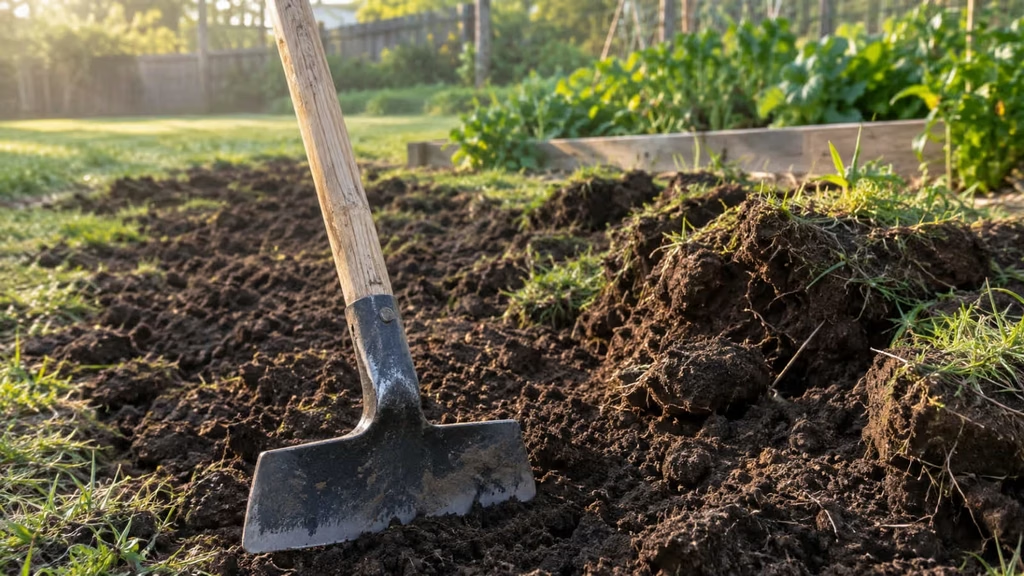
A Grub Hoe Ready to Turn Tough Ground Into a Garden Bed
What Is a Grub Hoe?
A grub hoe is a heavy hoe built for digging rather than light weeding. The blade is wide, flat, and thick, and it sits perpendicular to the handle. The blade attaches through a ring or socket called the eye, which is why you’ll often see it sold as an eye hoe.
The name tells you what it’s for. “Grubbing” means digging out roots, stumps, and weeds. A grub hoe chops into the ground, cuts what it meets, and pulls the loosened soil toward you.
Other names you’ll come across:
- Grubbing hoe: the same tool, just a longer name
- Eye hoe: named for the socket that holds the handle
- Chopping hoe, digging hoe, field hoe, or peasant hoe: older or regional names
- Azada or azadón: the Spanish names for a hoe and its heavier version
A note on naming. In some places, the words “grub hoe” and “mattock” get swapped. A true grub hoe has a single broad blade. A mattock has a different tool on each end of the head, such as a pick or an axe blade opposite an adze. If you want the full story on that, our mattock guide covers it.
Heavier grubbing hoes were introduced for jobs ordinary hoes couldn’t handle, like cutting weeds and roots close to the surface across large areas with fewer workers. Mass production later made them cheap enough for almost anyone to own.
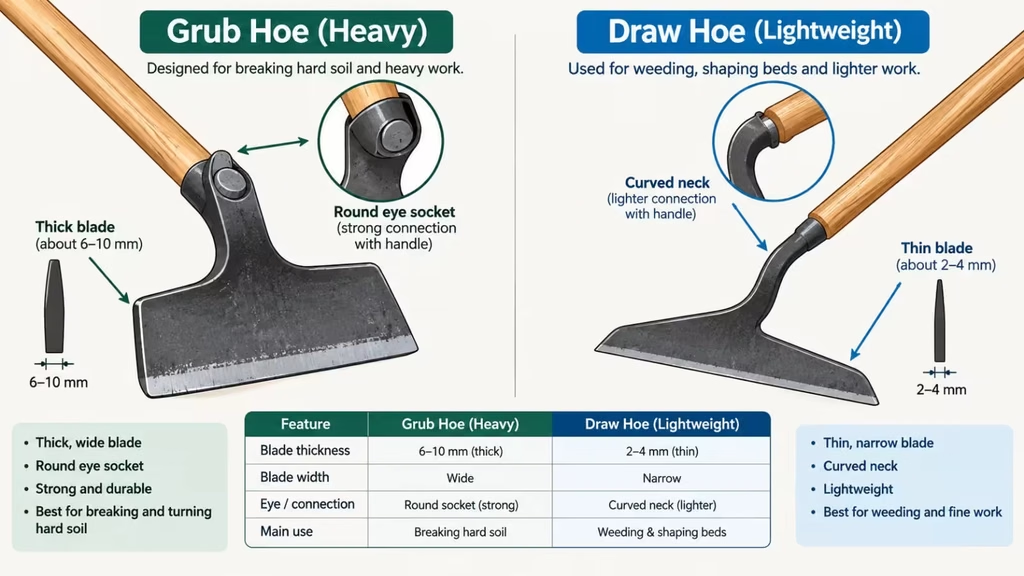
Grub Hoe vs Draw Hoe: Spot the Difference
Grub Hoe vs Other Digging Tools
Not sure whether you need a grub hoe or something else? This table helps.
| Tool | Blade or head | Best for | Weak at |
|---|---|---|---|
| Grub hoe | Heavy, wide, flat blade at a right angle; eye socket | Breaking firm soil, chopping sod, small roots, trenching, tilling | Lifting and throwing soil, splitting rock |
| Draw hoe (garden hoe) | Thinner blade on a curved neck | Making seed furrows and weeding in soft soil | Hard soil, thick roots |
| Stirrup (scuffle) hoe | Oscillating loop blade | Skimming small weeds on the surface | Digging |
| Mattock (pick or cutter) | Adze blade plus pick or axe on the other end | Rocky soil, roots, stumps, mixed jobs | Fine soil work, light weeding |
| Pickaxe | Pointed spike and chisel end | Breaking rock and compacted ground | Digging and moving loose soil |
| Shovel or spade | Scoop or flat blade | Lifting and moving soil | Firm, root-filled ground |
The simple rule: the grub hoe sits in the middle. It’s much tougher than a store-bought draw hoe, lighter and more versatile than a pick, and on firm ground it can do almost everything a shovel can except lift and throw soil. Note that the light hoes sold in many home improvement stores are draw hoes, made for furrows in soft soil rather than real fieldwork.
Anatomy of a Grub Hoe
A grub hoe is simple, which is part of its charm. Knowing the parts helps you buy and repair one.
- Blade: thick, flat, and often slightly curved. Widths vary. Narrower blades (around 4 in / 10 cm) penetrate hard ground more easily, while wider ones move more soil per swing.
- Eye (socket): the opening in the head where the handle goes. It’s usually round, though oval and winged designs exist.
- Handle (helve): typically hardwood such as hickory or ash. Lengths commonly run from about 36 in (90 cm) up to 54 in (137 cm) or more.
- Wedge: a wooden or steel wedge driven into the top of the handle to lock the head on.
- Blade edge: the working edge that chops into soil and severs roots. It should be kept reasonably sharp.
Weight matters. A sturdy grub hoe generally weighs somewhere around 2 to 5 lb (about 1 to 2.3 kg). That weight helps the blade penetrate roots and soil so you don’t have to force it.
Grub Hoe Anatomy: Blade, Eye, Wedge, and Handle

What Is a Grub Hoe Used For?
A grub hoe is a real multitasker. Here’s what it does best.
- Breaking new ground: turning a patch of lawn or hard soil into a garden bed.
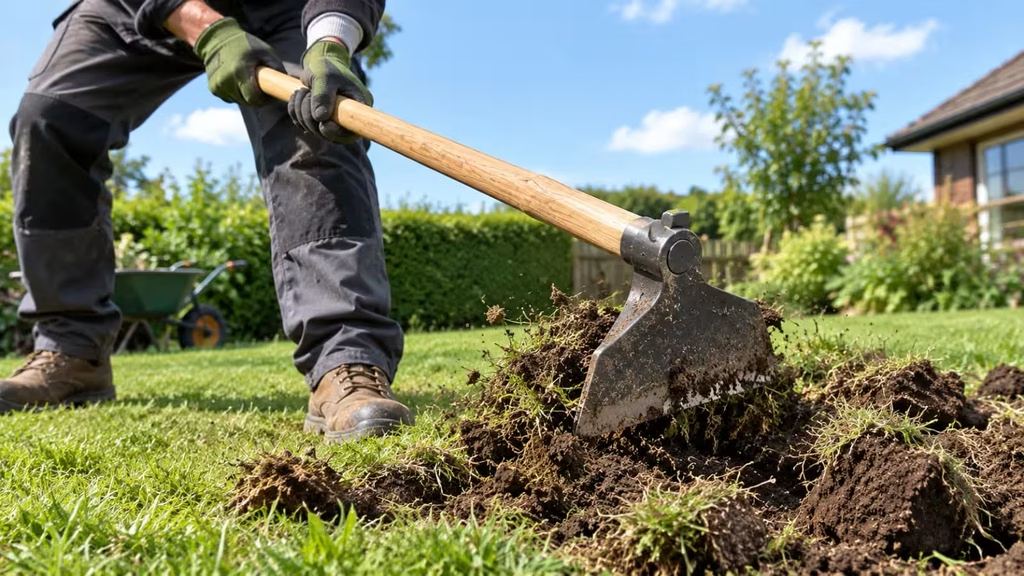
- Chopping and lifting sod: slice through turf, then pull it away.
- Tilling and mixing soil: in soft soil it works like a hand-powered tiller.
- Digging planting holes: especially for trees and shrubs in tough or clay soil.
- Trenching: narrow trenches for irrigation, drainage, or cables.
- Cutting roots: small and medium roots that a shovel would bounce off.
- Weeding: chopping weeds below ground level. It works best on annual weeds with a single central root and on small grasses, and it isn’t ideal for large woody plants.
What it’s not great at: lifting and tossing soil to another spot, breaking rock or concrete, and delicate weeding between tightly spaced seedlings.
Removing Sod and Breaking Ground With a Grub Hoe
Who Should Use a Grub Hoe?
A grub hoe is a great fit for:
- Gardeners with clay or compacted soil: it loosens ground that a spade can’t enter.
- Lawn-to-garden converters: for cutting and removing turf.
- Tree and shrub planters: for planting holes and cutting roots.
- Anyone digging trenches: irrigation lines, drainage, or conduit.
- People who want to save their back: a long handle lets you work standing upright.
Who should think twice? If you mostly need to move loose soil, a shovel is better. If your ground is rocky or full of buried concrete, a mattock or pickaxe will serve you better. And if your soil is soft and you only need light weeding, a lighter hoe will do.
How to Choose the Right Grub Hoe
Remember the soil test from the start? Here’s how to turn it into a buying decision.
- Match blade width to soil. Hard, compacted, or stony soil: choose a narrower blade that penetrates easily. Medium soil or tilling: a wider blade moves more earth.
- Choose a weight you can swing all day. Heavy enough to do the work, light enough to control. Around 3 to 5 lb suits many people.
- Check the steel. Look for forged or thick steel with a solid eye, not thin stamped metal that can bend on the first root.
- Test the head fit. There should be no wobble and no gap between the head and handle.
- Pick the handle length. Taller people and anyone wanting to stand upright will prefer longer handles (around 48 to 54 in). Shorter handles (around 36 in) give more control for detail work.
- Consider the handle material. Hickory and ash are strong, shock-absorbing, and easy to replace.
Match-up table
| If your soil is… | Try… |
|---|---|
| Hard clay or stony | Narrower, heavier grub hoe |
| Average garden soil | Medium width, 3 to 4 lb |
| Sod-heavy lawn | Wider blade, sharp edge |
| Mostly soft with light weeds | A lighter hoe may be enough |
Grub Hoe at Home Depot and Lowe’s: What to Expect
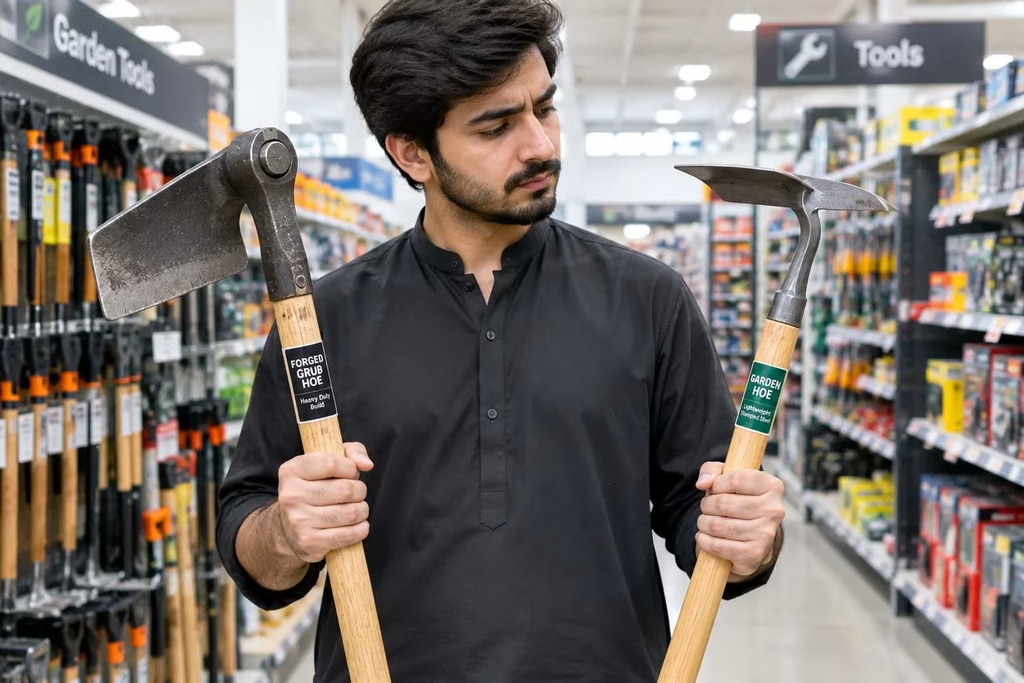
Many people start their search with “grub hoe Home Depot” or “grub hoe Lowe’s,” so here’s an honest answer. Stock changes by store, region, and season, so check availability for your local branch. Home improvement stores often carry mostly lighter garden hoes, and some shoppers find these aren’t suited to heavy work. Heavier grub hoes may be listed under other names, so search for:
- “grubbing hoe”
- “eye hoe”
- “field hoe”
- “heavy-duty hoe”
Independent hardware stores, farm supply shops, and specialist tool sellers are often the best places to find a properly heavy grub hoe. Whichever route you take, check the weight, the blade thickness, and the eye design before buying.
Buying second-hand? Old grub hoes are often excellent tools. Check for deep rust pitting or cracks around the eye. A rotten handle is no problem, since you can replace it.
Heavy Grub Hoe vs Light Garden Hoe: Feel the Difference Before You Buy
How to Use a Grub Hoe
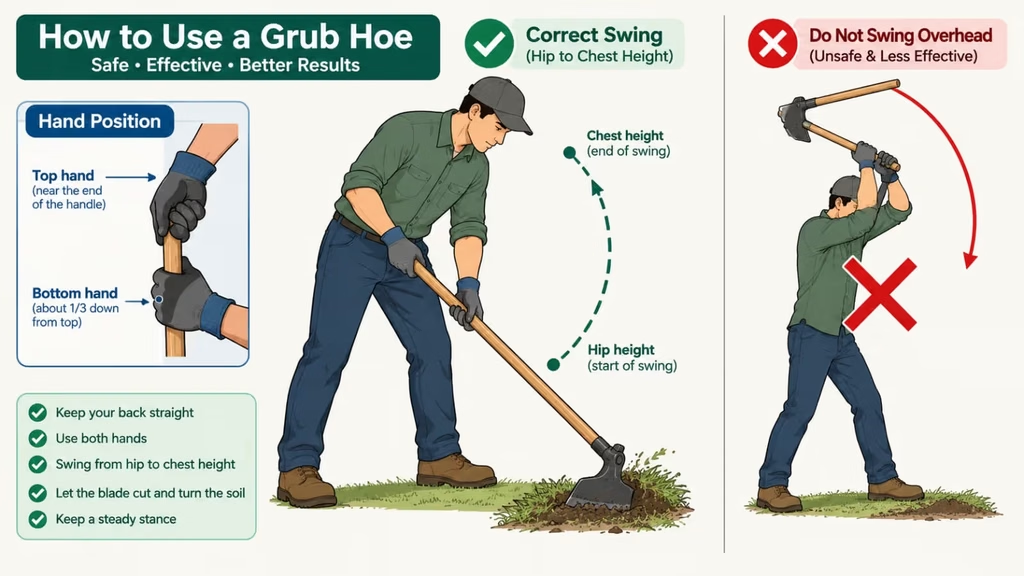
Using a grub hoe is very different from using a shovel. You don’t stomp it into the soil. You let the weight of the blade swing down and do the work.
Before You Start
- Wear gloves, sturdy boots, and eye protection. Chips of soil and stone can fly.
- Check for buried utilities before digging trenches or deep holes.
- Clear the area of people, pets, and tripping hazards.
- Moisten hard soil. Damp ground is far easier to work than dry, baked earth.
Step-by-Step Technique
- Take a stable stance, feet about shoulder-width apart.
- Set your hands. One hand goes near the end of the handle, the other about a third of the way down, with your thumbs pointing toward the blade.
- Raise the hoe to about hip or chest height. Don’t lift it over your head. That’s more force than the tool needs, and it throws dirt at your face.
- Let it drop. Swing the blade down into the soil and let its weight do the work.
- Pull the soil toward you. Drag the blade back to break and loosen the earth.
- Walk forward as you work. This is the opposite of shoveling. Think of it as a human-powered tiller, chopping and stirring the ground as you go.
- Keep your hands in place. Unlike an axe, you don’t need to slide your front hand along the handle.
- Adjust the angle. For loosening soil, pull the blade through at a slight angle. If you hold it too steeply, the blade digs too deep.
Quick tip for weeding: swing the blade so it cuts the weed below the soil surface, then pull back to lift and turn the roots.
Grub Hoe Grip and Swing Height: Hip to Chest, Never Overhead
Grub Hoe Handle Replacement: A Step-by-Step Guide
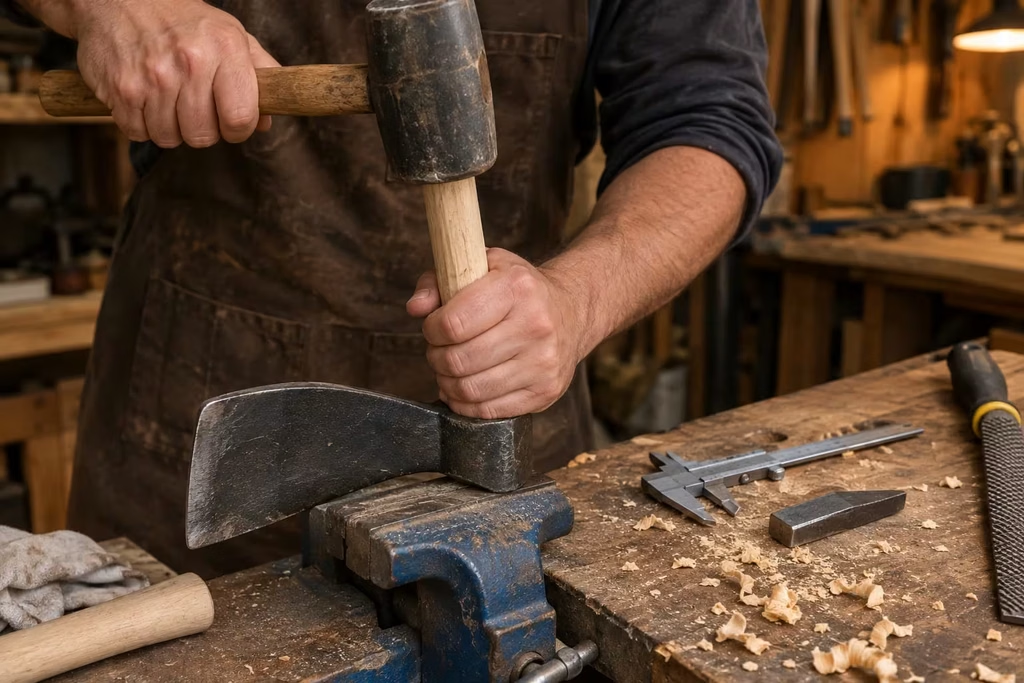
Handles snap, split, and loosen, especially when a swing meets a hidden rock. The good news is that a grub hoe replacement handle is inexpensive compared with a new tool, and fitting one is a very doable job.
Step 1: Measure Before You Buy
Not every handle fits every hoe, so measure first.
- Check the eye shape. Most replacement handles are made for round sockets. Oval, rectangular, or winged sockets need a matching handle.
- Measure the socket diameter. Use calipers on the small end of the socket, or measure the old handle just below the head. If your measurement falls between two sizes, choose the smaller handle.
- Pick the length. Handles commonly come in 36 in to 54 in lengths.
- Match the weight class. For example, one common US replacement handle is designed for standard #8 eye grub hoes with a roughly 3 in by 3 in eye and a head weighing between 3½ and 5 lb.
Seymour and Link Handles are among the makers that sell replacement handles for eye and grub hoes. Fit varies, so always confirm before you buy.
Step 2: Remove the Old Handle
- Saw off the old handle flush with the head.
- Drill or drive out the remaining wood from the eye.
- Avoid burning it out, since heat can soften the steel.
- Clean out all splinters and rust from the socket.
Step 3: Fit the New Handle
- Test-fit. Slide the new handle into the eye. If it’s too tight, shave it a little at a time with a rasp.
- Seat the head. Tap the bottom of the handle on a firm surface so the head slides down and locks on.
- Add the wedge. Drive the wedge into the slot at the top of the handle. A steel wedge or cross-wedge adds extra security.
- Trim the excess. Cut off anything sticking out above the head.
- Finish the wood. Rub boiled linseed oil into the handle and the top end grain.
Handle Keeps Coming Loose?
A loose head is a safety risk. Re-seat the head and drive the wedge in again. Some people also add a second wedge. If the eye is oval, the head has more grip and is less likely to spin. If the handle is cracked, replace it. Don’t rely on soaking the wood in water, because that only tightens it for a short while.
Fitting a Grub Hoe Replacement Handle: Measure, Seat, Wedge
Maintenance and Care
A good grub hoe can last generations. The routine takes minutes.
- Clean after use. Brush off soil and wipe the blade dry.
- Sharpen the edge. A mill file works well. A sharper blade chops roots and weeds more cleanly, and a small pocket file is handy for touch-ups in the field.
- Oil the metal. A thin coat of oil stops rust.
- Oil the handle. Rub in boiled linseed oil once or twice a year.
- Check the head fit. Give it a twist before each use.
Common Mistakes to Avoid
- Swinging overhead. It’s not needed, and it’s tiring and unsafe.
- Forcing the blade. Let the weight do the work.
- Using a light draw hoe for heavy jobs. It will bend or skip off the ground.
- Ignoring a loose head. Fix it before you swing.
- Buying the wrong replacement handle. Measure the eye first.
Frequently Asked Questions
What is a grub hoe? A grub hoe is a heavy-duty hoe with a wide, flat blade set at a right angle to a long handle. It’s used to break up compacted soil, chop sod and roots, and dig trenches.
What is a grub hoe used for? It’s used for breaking new ground, tilling, removing sod, digging planting holes and trenches, cutting small roots, and chopping weeds below the surface.
What’s the difference between a grub hoe and a regular hoe? A grub hoe is thicker, heavier, and built for digging. A regular garden (draw) hoe is lighter and made for making furrows and weeding in soft soil.
Is a grub hoe the same as a mattock? Not exactly. A grub hoe has one broad blade. A mattock has a different tool on each end, such as a pick or an axe blade opposite an adze. Some people use the terms loosely.
Can I buy a grub hoe at Home Depot or Lowe’s? Availability depends on your store and the season. These stores often stock lighter garden hoes, so search for terms like “grubbing hoe,” “eye hoe,” or “field hoe,” and confirm the weight and blade thickness.
How long should a grub hoe handle be? Common lengths run from about 36 in to 54 in. Longer handles suit taller users and standing work. Shorter handles give more control.
How do I replace a grub hoe handle? Measure the eye, choose a handle that fits, remove the old wood, seat the new handle, and lock it with a wedge. Our step-by-step section above walks you through it.
Final Thoughts
The grub hoe proves that the best tools are often the simplest. A solid blade, a good handle, and a bit of weight can turn compacted clay into a workable bed with far less strain than you’d expect. Pick a size that suits your soil, learn the hip-height swing, and keep the head tight and the edge sharp. Do that and it may be the last hoe you ever buy.
Now it’s your turn. What’s the toughest soil you’ve tried to break? Did a grub hoe save the day, or did you need something heavier? Tell us in the comments. Your tip could help another gardener.
Want to compare more digging tools? Read our guides to the mattock and the pickaxe next.
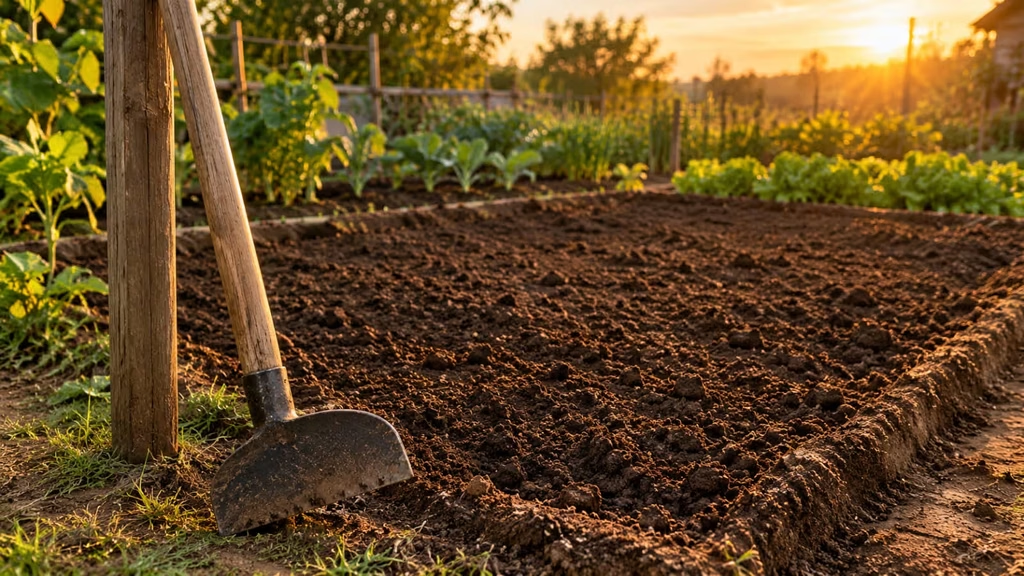
From Compacted Clay to a Ready-to-Plant Bed
SEO Notes (for editor only, do not publish)
Primary keyword: grub hoe Secondary keywords used: what is a grub hoe, grub hoe tool, grub hoe for sale, grub hoe handle, grub hoe replacement handle, grub hoe handle replacement, grub hoe Home Depot, grub hoe Lowe’s, grubbing hoe, eye hoe
NLP semantic entities covered: grubbing hoe, eye hoe, field hoe, draw hoe, stirrup (scuffle) hoe, mattock, pickaxe, azada/azadón, eye (socket), wedge, helve, hickory, ash, forged steel, compacted soil, clay, sod, trenching, tilling, invasive weeds, early detection and rapid response, mill file, boiled linseed oil, #8 eye, Seymour, Link Handles
Content gaps filled vs ranking pages: how to measure for a replacement handle (round vs oval vs winged socket, choose the smaller size if between sizes), what to expect from Home Depot/Lowe’s stock, blade-width-to-soil match-up, grub hoe vs draw hoe vs mattock table, safety checklist, loose head fixes.
Suggested schema: Article + FAQPage (use the FAQ section) + optional HowTo (How to Use / Handle Replacement).
Internal link ideas: mattock guide (anchor: “mattock guide”), pickaxe guide (anchor: “pickaxe”), digging fork guide.